
Hydrocolloid Solutions for Food Processing Efficiency, Quality Control and Cost Reduction
Hydrocolloids: Enhancing Yield and Quality with Natural Ingredients
Hydrocolloids are natural plant-based ingredients that thicken, gel, and stabilize, perfect for for dairy, jelly, and emulsified meat applications. Different hydrocolloids like carrageenan, guar, agar, and locust bean gum offer different properties, and can be used individually or as part of a blend to achieve your required functionality.
Together, these gums give you precise control over texture, stability, and yield while boosting cost efficiency through excellent water binding and protein reactivity.
Hydrocolloids in Meat: Improving Processing Yield, Texture and Quality
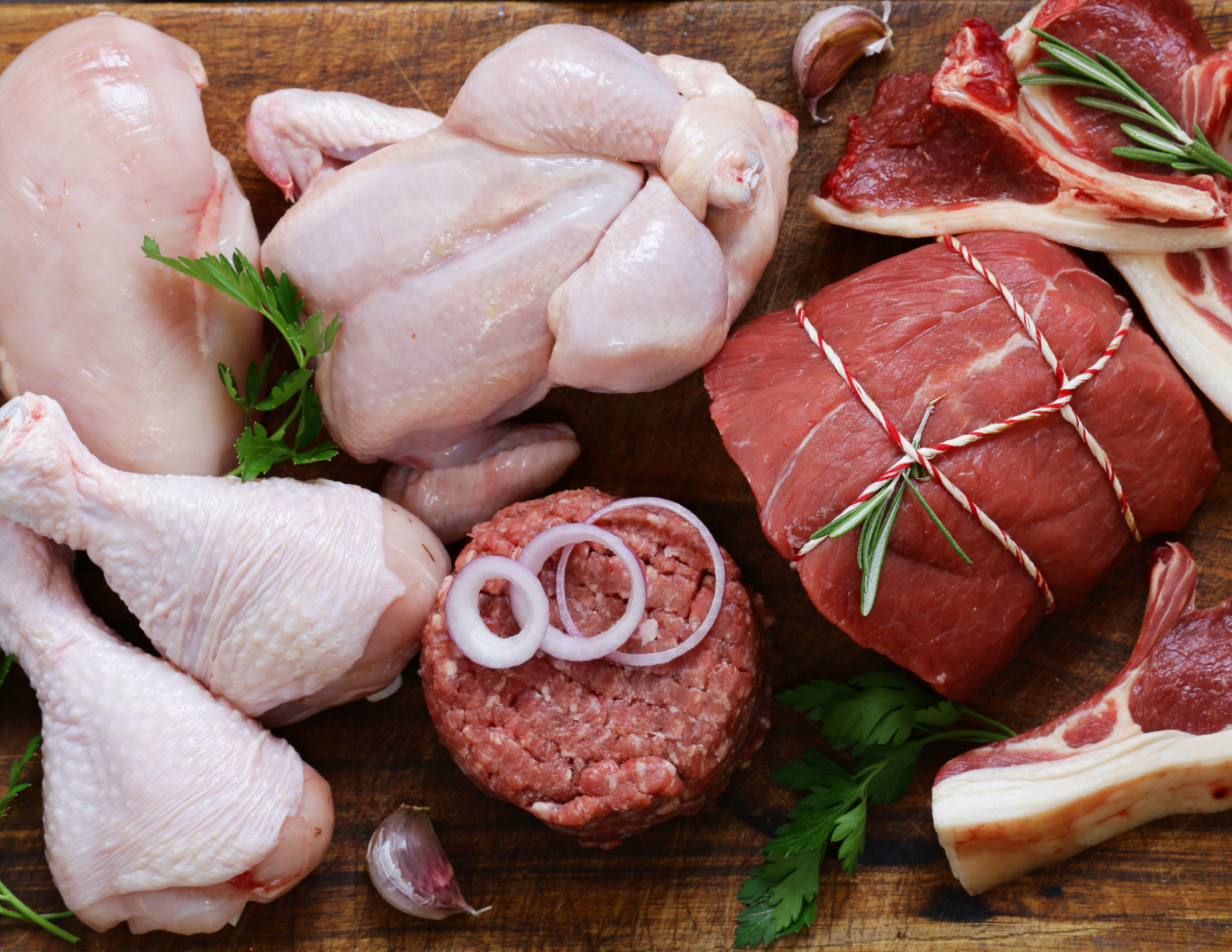
Adding hydrocolloids in your meat formulation is where processors add value. Enhance the yield of your meat products while also improving texture, juiciness and meatiness. Keep customers coming back for more by delivering superior quality at great value.
-
By holding moisture throughout cooking, chilling, and storage, hydrocolloids deliver succulent, juicy and meaty products consumers expect.
-
Hydrocolloids bind and immobilizes large amounts of added water within the meat matrix, increasing cooked yield and reducing costly purge and cook loss. That means more finished product from the same raw material—a direct win for your margins.
-
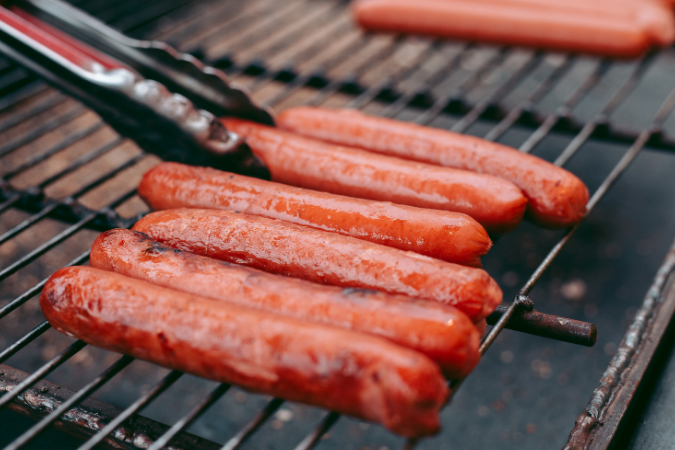
Hydrocolloids’ strong reactivity with muscle and milk proteins builds a firm, cohesive gel network that improves sliceability, firmness, and bite—ideal for deli meats, hotdogs, hams, and whole muscle poultry products.
-
Whether you're boosting yield in deli meats or improving texture in emulsified meats, hydrocolloids greastly enhance gelling structure to improve quality and meatiness that keep your products and your business ahead.
Hydrocolloids in Processed Dairy: Versatile Thickener, Stabilizer & Emulsion Agent
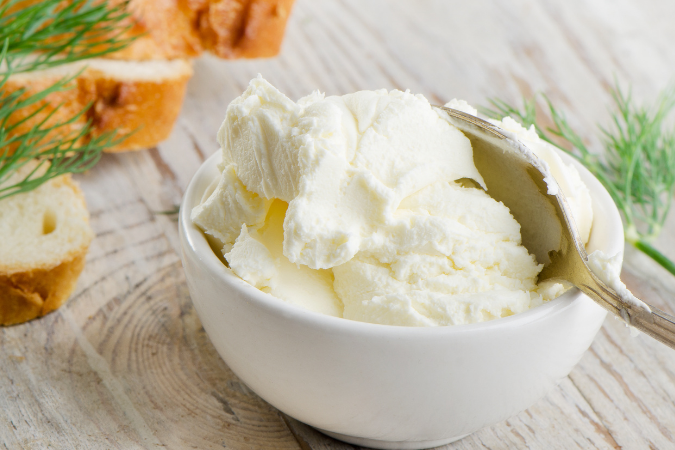
Enhance thickening, suspension, and stability across an incredibly wide range of dairy formulations including cream cheese, yogurt, and other dairy products.
-
Hydrocolloids like xanthan gum, carrageenan and guar gum build significant viscosity at very low useage levels, allowing processors to control viscosity without impacting nutritional values.
-
Different hydrocolloids hold up across extreme pH, high heat, freeze-thaw cycles, and high-salt environments, keeping your products stable and consistent from processing through shelf life.
-
Hydrocolloids keep particles, cacao, protein, pulp, herbs, and spices evenly suspended—no settling, no separation—for a premium look and consistent quality in every serving.
-
Hydrocolloids have shear-thinning capabilities, allowing products to flow easily when poured or pumped. Deliver the perfect cling, body, and mouthfeel in sauces, dressings, and beverages.
Hydrocolloids in Jelly: Changing Gel Strength and Textures to Satisfy Your Customers
In Jellies, hydrcolloids replace the gelling functionality of gelatin. Kappa carrageenan and agar give firm, brittle gels with a clean break; iota and gellan give softer, more elastic bodies. Blending levels tune firmness, set temperature, and bite across a wide variety of textures. More than just texture, hydrocolloids also improve quality by reducing syneresis and improving structure.
-
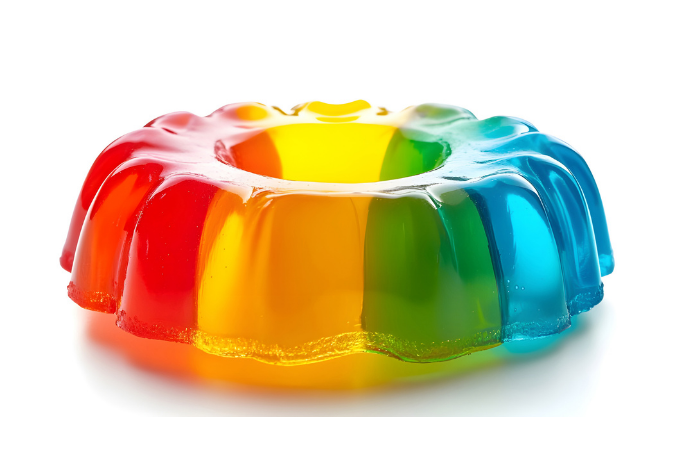
Hydrocolloids like refined agar, refined kappa carageenan and low acyl-gellan yield highly transparent gels, allowing processors to build colorful and crystal clear jellies.
-
Hydrocolloids like kappa carrageenan agar create firm jellies witha clean break. But when blended with locust bean gum, firmness is maintained while reducing brittleness.
-
Hydrcolloids offer the gelling capabilities of gelatin while being 100% plant-based, enabling processors to make jellies for vegetarian and vegan markets.
-
The right blend of hydrocolloids can yield chewy jelly candies just like gelatin. Be utizling ingredients like kappa carrageenan, konjac and locust bean gum, processors can create plant-based gummies that are chewy, elastic and with no syneresis.